18th & Vine is Not a Time Capsule: Why Ghostface Killah at the Boone Changes Kansas City’s Future
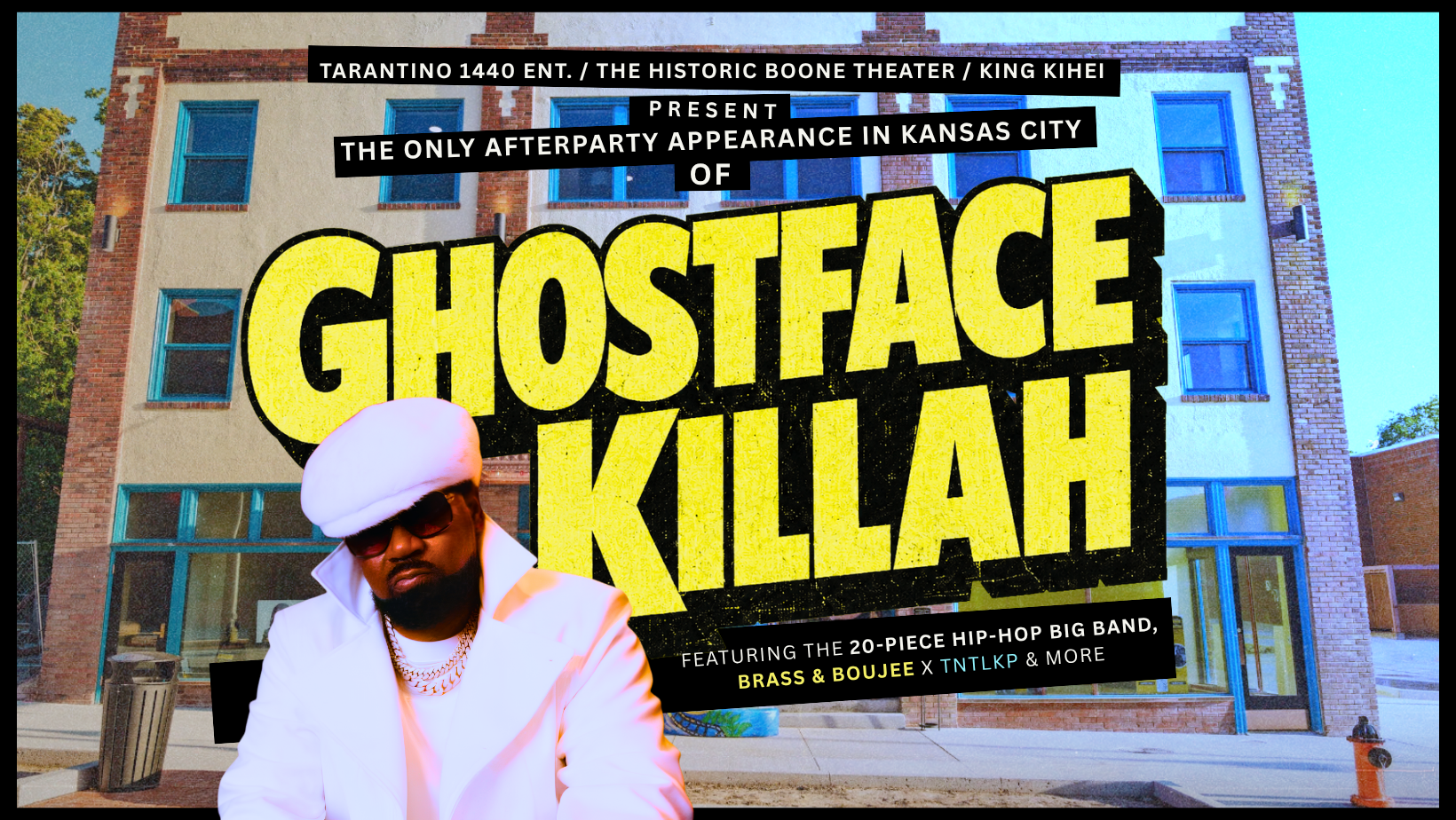
There is something happening at the Boone Theater that I think Kansas City needs to pay much more attention to. On September 2, Ghostface Killah is coming to the historic Boone Theater at 18th & Vine for an official after-party and appearance. This is not simply another major act routing through the Midwest. It is one of the most recognizable figures in hip-hop arriving in the exact neighborhood that gave Kansas City its global musical identity, stepping inside a historic theater recently brought back to life because a dedicated group of people decided this moment was worth fighting for. That distinction matters. Kansas City has become very good at attracting big moments, but we have not always been as good at connecting those moments to the places that make us unique. We know how to host the world. The bigger question is whether we know how to show the world who we are, and 18th & Vine is one of the clearest answers we have.

The Boone Is More Than a Theater
The Boone Theater represents something much bigger than the reopening of another historic building. It is a physical example of what can happen when we stop looking at our historic structures as fragile things to preserve, and start treating them as active participants in the future of the city. That is what excites me most. The Boone has history, but it is not being asked to live in the past. It has been given another chance to be a place where people gather, where culture happens, where businesses benefit from the activity around it, and where a new generation creates memories of its own. To see Ghostface Killah coming to this building only a few months after reopening is profound. One of the most important figures in hip-hop is connecting with the most important historic cultural neighborhood in Kansas City, inside a building deeply rooted in Black entertainment. This is exactly the kind of collision between history and contemporary culture that makes a city feel alive.
And it did not happen by accident. Tarantino 1440, King Kihei, the Boone Theater team, myself, and others have been working relentlessly to make this connection happen. But a grassroots vision only scales when civic leadership actually answers the call. Councilwoman Melissa Patterson Hazley did exactly that. By stepping out of the conference room to act as a true, vocal ambassador for the culture, she proved what happens when City Hall aligns with the ground floor. Because of that partnership, this isn’t just a concert—it has expanded into an official "Wu-Day" Proclamation and a community activation connecting these global artists directly with Kansas City youth and local entrepreneurs. That is what success looks like in 18th & Vine: not simply preserving what was here, but creating undeniable reasons for people to come here now.
We Just Saw What Happens When We Don't Put Place First
Credit: Taliaferro & Browne
The World Cup made this argument impossible for me to ignore. Kansas City did something remarkable this summer by hosting six matches and putting ourselves on an international stage in a way most American cities our size will never experience. The city had every reason to be proud, but there was a quiet lesson hiding inside that success. Our biggest civic celebration during the biggest international event in our city's history effectively made 18th & Vine disappear from the conversation. The FIFA Fan Festival had a legitimate home at the National WWI Museum and Memorial, and that location made sense for a global event. My point isn't that everything has to happen at 18th & Vine. It doesn't. My point is that something this culturally significant should have been happening there, too.
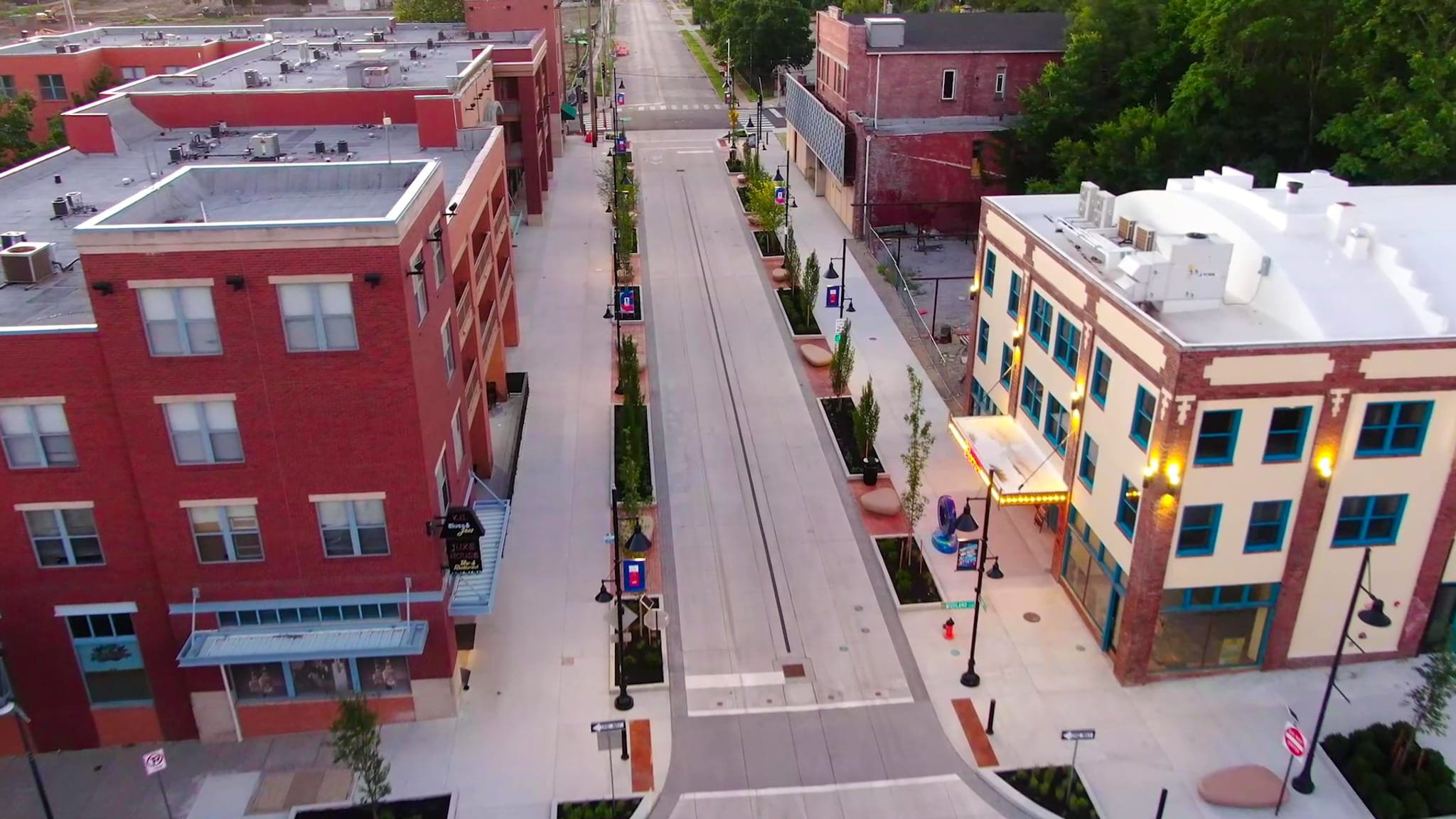
Because while Kansas City was introducing itself to the world, our city's only music neighborhood still felt like an afterthought. That cannot continue. 18th & Vine is not simply a neighborhood with some cool old buildings. It is the crucible where enormous pieces of Kansas City's identity were formed. This is where jazz became part of our global reputation, where the Negro Leagues established a defining chapter in American sports history, and where the story of Kansas City barbecue and Black entrepreneurship took root. Today, it is one of the only places where Kansas City's contemporary hip-hop community has a legitimate, burgeoning physical home. That is a massive amount of cultural weight sitting on a few city blocks, and we must start treating it accordingly.
A UNESCO Designation Is Not a Strategy
In 2017, Kansas City earned the prestigious designation as a UNESCO City of Music. It was a massive validationof what we already knew to be true. Eventually, the city formed a working group to examine a "Global Music Strategy" put forward by Creative Cities KC. We sat in the meetings, and we had the discussions about how to leverage our musical heritage into a sustainable industry. But since then, apparently nothing has come out of it. The reports were filed, the documents were published, and the momentum from the City of Kansas City stalled.
A title without infrastructure is just a slogan. If we are going to call ourselves a City of Music, that has to show up in how City Hall behaves, in how we fund our creatives, and in the physical spaces of our city. Since no one is picking up the torch for 18th & Vine at the institutional level, we are.
About a year ago, I wrote a document to City Hall called the Musician’s Plea. One of its core arguments was that we need serious, ongoing investment in music education. The youth workshops happening alongside this Ghostface visit are a beautiful example of what that looks like in action, but our youth aren't the only ones who need that education. We need to educate the entire city to see music as a real export industry and a real job, not just background entertainment. We have to build clear pathways into the ecosystem, and we need the public to understand exactly what it takes to sustain it.
Look at What the Film Office Has Already Taught Us
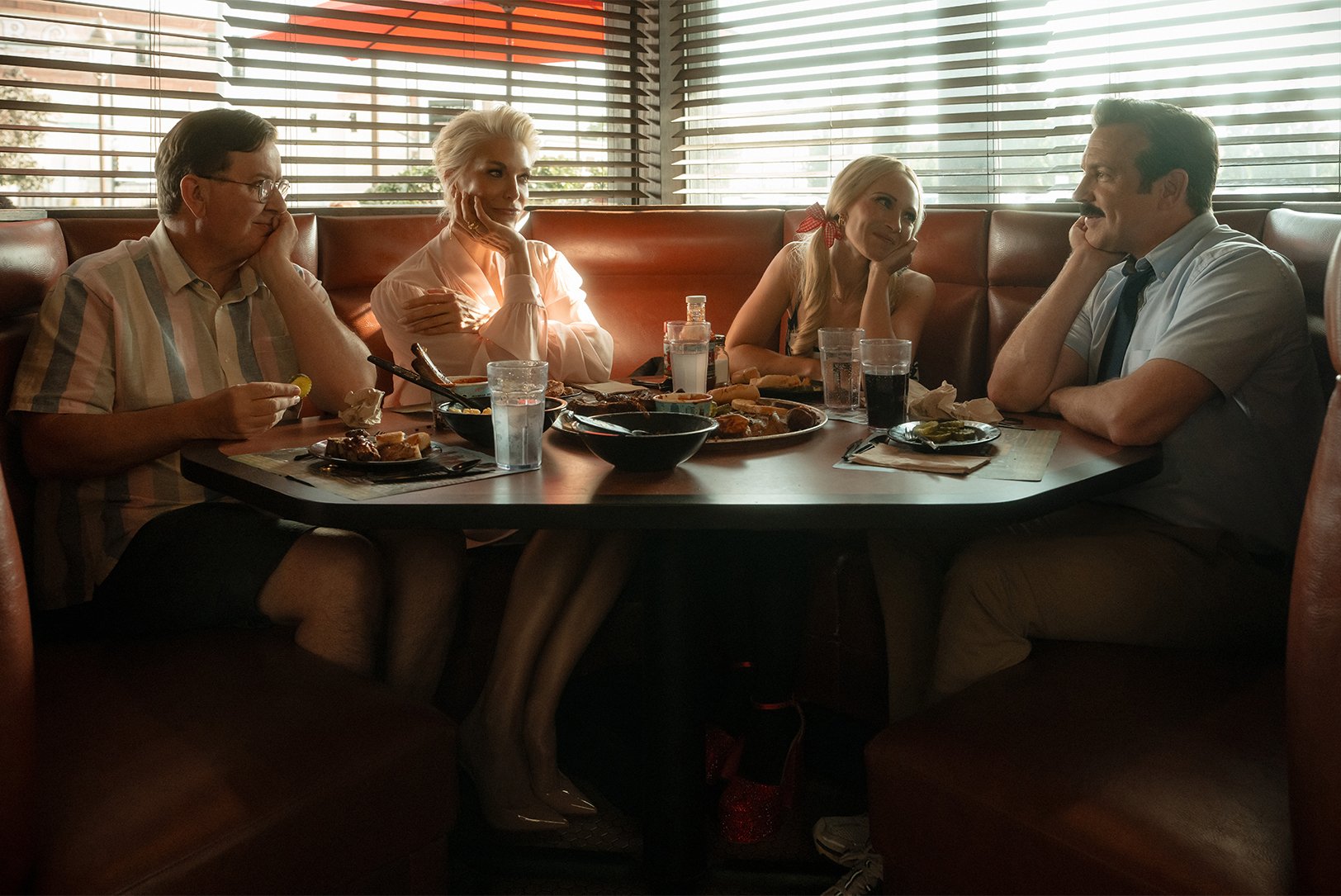
We don't have to imagine whether culture can become economic infrastructure, because we have already watched it happen. The Kansas City Film Office has helped create an ecosystem around an industry that brings money, talent, attention, and new audiences into the city. Projects like Ted Lasso show just how powerful that can become when Kansas City's real places and stories become part of the work. The Negro Leagues Baseball Museum is a perfect example. Someone sitting thousands of miles away can watch a television show, see Kansas City through a different lens, and discover a piece of our history they never knew existed. They become a tourist, they tell a friend, they plan a trip. That is not just entertainment; that is cultural infrastructure. There is something almost funny about the fact that people around the world can discover the Negro Leagues through a television show before some Kansas Citians ever make the trip themselves. But we should not be embarrassed by that opportunity. We should be asking why we haven't created more of it.
Imagine what happens when we intentionally build those exact same connections around music. Imagine a Kansas City Music Office that isn't simply another department with a website and a phone number, but an actual economic and cultural development engine working alongside the Film Office, tourism boards, venues, schools, and the people already doing the work on the ground. Now, imagine that office sitting squarely in 18th & Vine. That changes the entire conversation. It means the people working to grow Kansas City's music industry are physically located in the place where Kansas City's music history is most concentrated. It creates a reason for people to come into the district on an ordinary Tuesday, sparking daily collisions between musicians, producers, promoters, filmmakers, and entrepreneurs in the same physical ecosystem. That is how a neighborhood becomes more than a destination. It becomes an engine.
The Opportunity Is Bigger Than Music
This is where I think we sometimes undersell 18th & Vine. When we talk about the neighborhood only through the lens of jazz, we unintentionally turn it into a history lesson. Jazz is absolutely foundational to this place, but the legacy of 18th & Vine was never simply about preserving a particular sound. It was always about people creating something from the ground up. People opened businesses, built institutions, entertained each other, created wealth, and built a culture that drew people from across the country to experience something they couldn't find anywhere else.
That is the part of the legacy worth preserving. Not the exact past, but the ability to create the future. That is why Ghostface at the Boone matters to me. That's why Vine Street Brewing matters, why the Negro Leagues Baseball Museum and the American Jazz Museum matter, and why the businesses continuing to take risks in this neighborhood like the Zhou B. Art Center matter. They are not simply occupying historic space. They are proving that historic space can still produce something entirely new.
This Is What We Should Be Building Toward
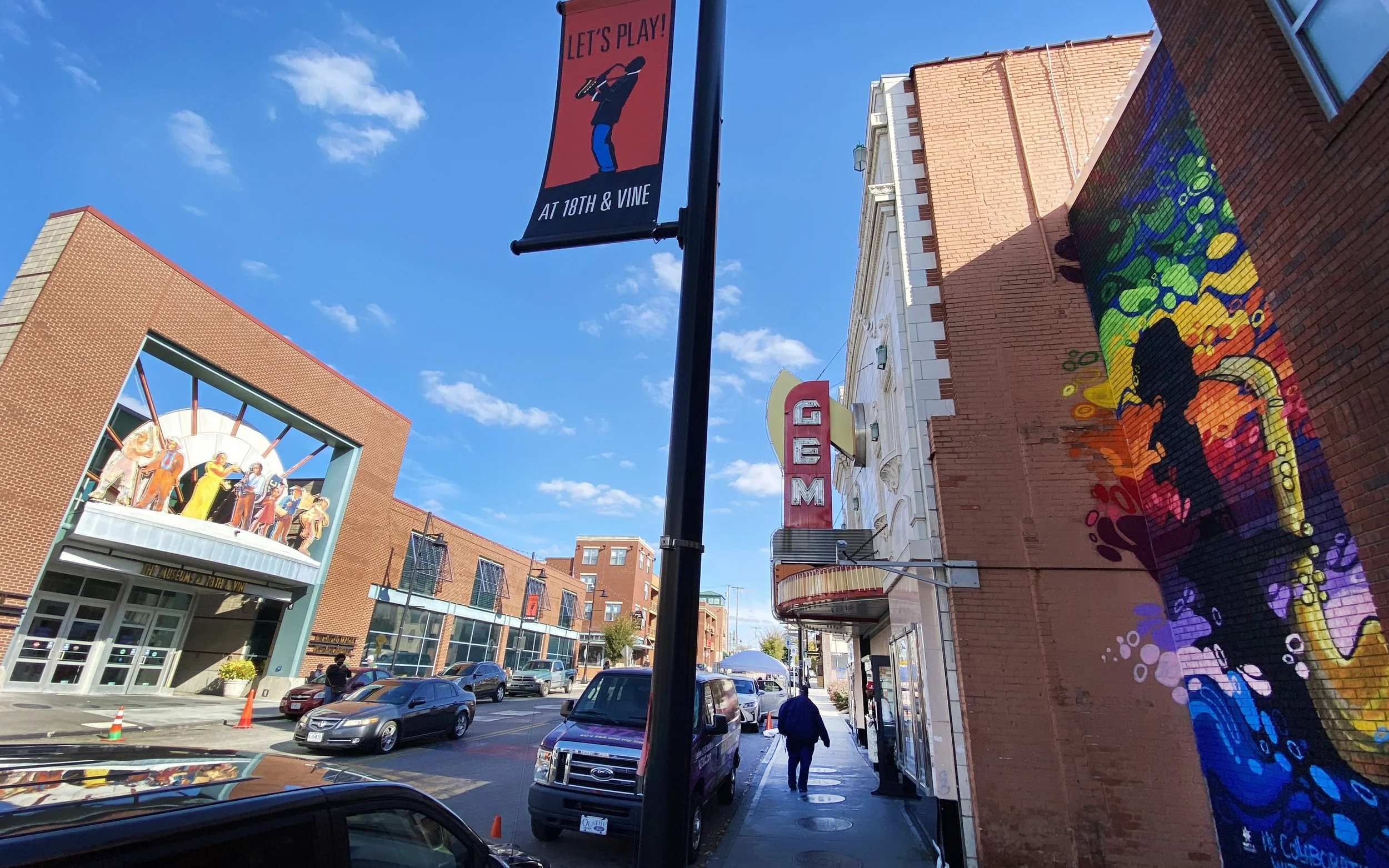
Carlos Moreno / KCUR 89.3
Imagine a future where a visitor doesn't have to stumble into 18th & Vine by accident, but is told it is the very first place they need to go. Not because a tourism campaign says it is historic, but because something undeniable is actually happening there. Imagine a visitor coming for a Chiefs game and ending up at the Boone, or a family discovering Kansas City hip-hop for the first time after at Vine Street Brewing Co. Imagine someone grabbing barbecue, hearing live music, visiting a brewery, and realizing they are standing in a neighborhood that has influenced American culture far beyond its size. I want that to be normal. Then imagine what happens when we build the transportation connections, public spaces, businesses, housing, cultural institutions, and economic infrastructure necessary to support it.
That is the city I want. Not a city that has to choose between sports and culture. Not a city that has to choose between downtown and our historic neighborhoods. Not a city that has to choose between preserving history and building something new. I want a Kansas City confident enough to understand that all of those things can reinforce one another, but somebody has to decide where that work is going to happen. I think we should decide that 18th & Vine is the beginning and the end of the discussion.
Vine Street Is Already Putting Its Money Where Its Mouth Is
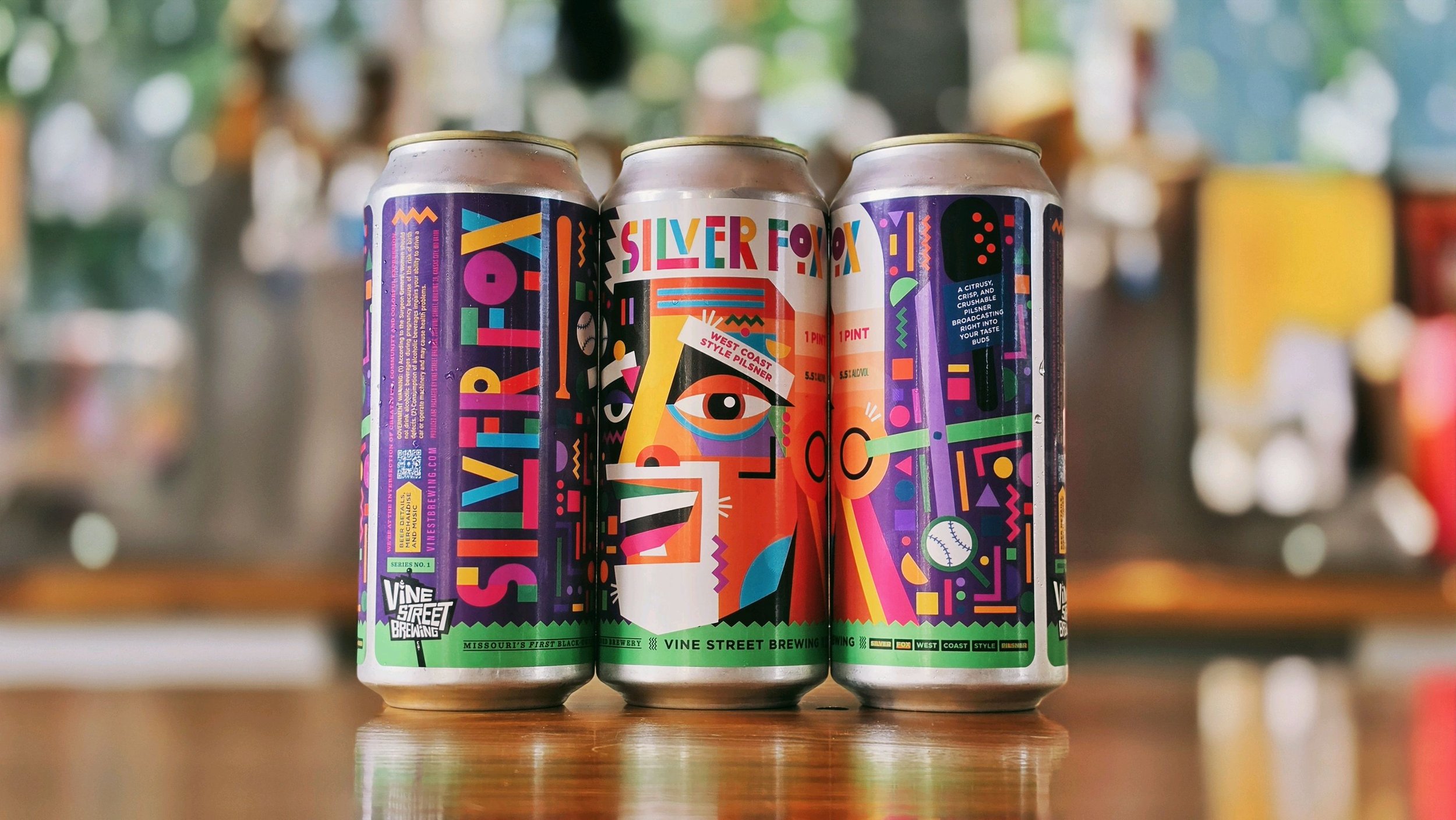
For me, this isn't theoretical. As mentioned in a previous blog post, “To date, we have spent over $87,000 on live music and entertainment from beer sales alone.” Vine Street Brewing exists because we believed that a historic building in this neighborhood could become something contemporary, ambitious, and commercially viable without sacrificing the character that made the building worth saving in the first place. We didn't want to simply tell people that 18th & Vine mattered. We wanted to give them a reason to come here and experience that importance for themselves. And I believe that is part of our responsibility now. Vine Street Brewing is not going to wait for someone else to decide that 18th & Vine deserves to be activated and neither should you. We are going to keep creating reasons for people to come here, bringing a world-class product, ambitious programming, and catalytic sensibilities to this neighborhood. We are going to keep collaborating with the people who believe this place can be more than a monument to what Kansas City used to be, because the stakes are bigger than any one business.
If we get this right, the next generation should not grow up thinking of 18th & Vine as the place where Kansas City used to be great. They should grow up understanding that this is where Kansas City is going. Ghostface Killah coming to the Boone Theater is one small but incredibly powerful example of what happens when we connect the right people, the right place, the right building, and the right cultural moment. It is a glimpse of a neighborhood operating exactly the way it should: history providing the foundation, contemporary culture providing the energy, and ambitious people providing the reason to believe in what comes next. Kansas City doesn't need to invent another identity—we need to build around the one we've already earned. And if we are willing to put place first, 18th & Vine can become more than the neighborhood that gave Kansas City its past. It can become the neighborhood that gives Kansas City its future. That is the work. And Vine Street Brewing intends to keep doing our part to make sure it happens.