The Final Plea: What Kansas City Must Build Next
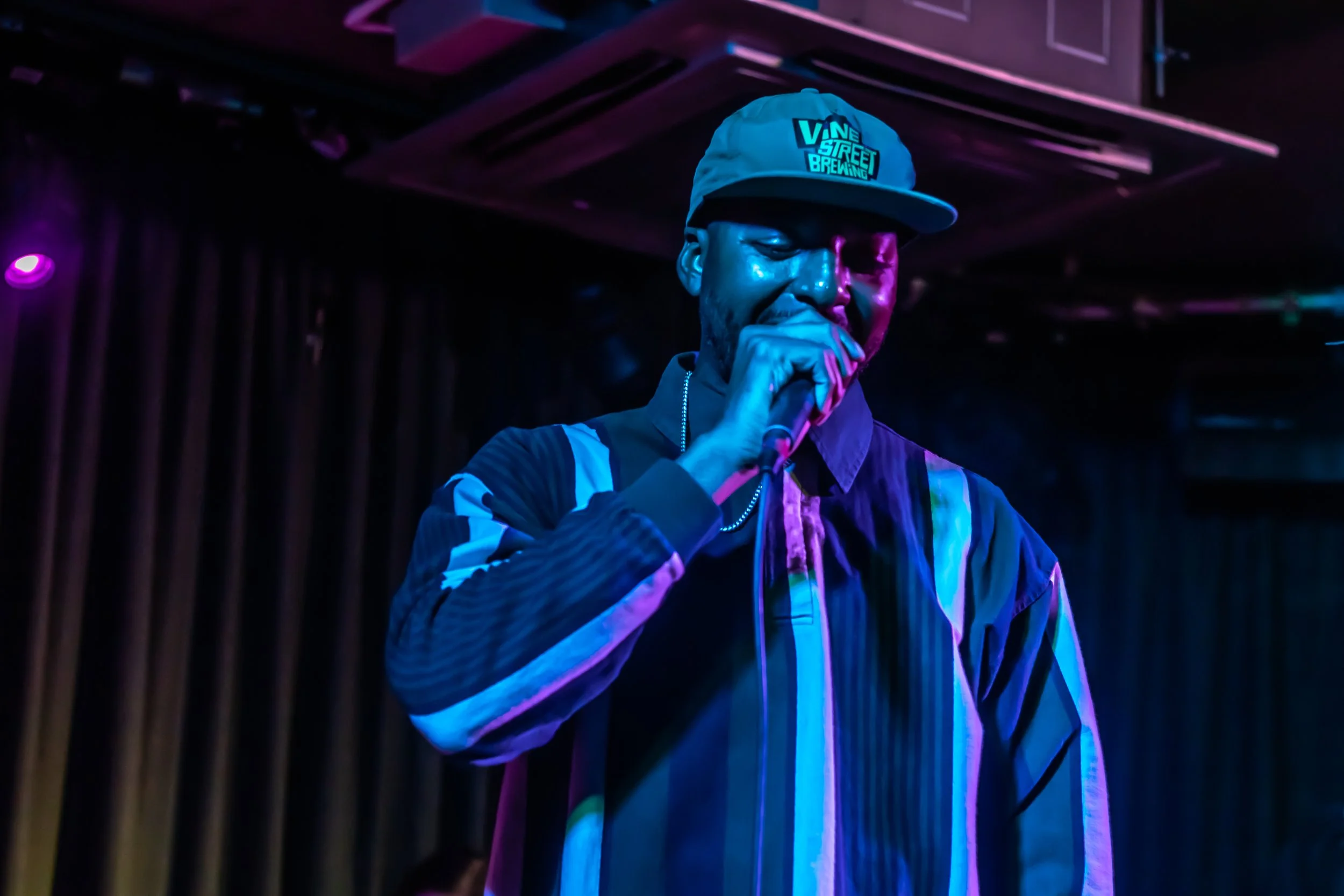
Credit: Njambi Njoroge | Belfast, UK
There comes a point where a city has to decide whether it wants to talk about its culture or actually build a future around it. Kansas City has reached that point with music.
For years, we have told ourselves a story that feels good to repeat. We are the birthplace of Kansas City jazz. We are a city with soul. We are a place where culture runs deep. And all of that is true. It is not marketing. It is not a slogan. It is something real that lives in the bones of this place, in the rhythms that came out of 18th & Vine, in the musicians who carried that sound across the world, and in the generations that followed.
But there is another truth that sits right beside it, and it is one we have avoided confronting head on. We have not built a system that allows music to live as an industry in Kansas City. We have preserved the story, but we have not invested in the engine. We celebrate the legacy, but we have not created a clear path for the people carrying it forward.
That tension is no longer sustainable.
Kansas City was given something that no other city in the United States has. The designation as a UNESCO Creative City of Music is not just a badge. It is not something to put on a website or a press release and move on. It is a responsibility. It is an invitation to participate in a global network of cities that have made a decision to treat music as part of their economic and cultural infrastructure.
And right now, we are at risk of treating that opportunity like decoration.
The conversation around the Global Music Strategy has revealed something deeper than disagreement over tactics. It has exposed a lack of trust. Musicians, venue owners, and cultural leaders across this city did not push back because they are resistant to change. They pushed back because they recognized a familiar pattern. Plans that sound good on paper but do not change the conditions on the ground. Language that honors culture without redistributing resources. Strategies that position Kansas City on a global stage without strengthening the people who are supposed to stand on it.
That is what this moment is really about.
The question is not whether Kansas City supports music. The question is whether Kansas City is willing to build a music economy.
Those are two very different things.
Supporting music looks like events, festivals, and branding campaigns. It looks like curated moments that bring people together and remind us of who we are. Those things matter. They are part of the ecosystem. But they are not the foundation.
Building a music economy means creating systems that allow musicians to make a living, venues to operate sustainably, and neighborhoods to benefit from the cultural assets they already hold. It means thinking about music the same way we think about sports, technology, or real estate. It means acknowledging that culture is not just something we consume. It is something we can structure, invest in, and grow.
That shift is the difference between being known for something and actually being something.
At the center of this conversation is 18th & Vine. For too long, we have treated it as a symbol instead of a system. We bring people there to learn about what happened. We do not consistently bring them there to experience what is happening. We tell the story of jazz as history, but we have not fully committed to making it a living, breathing part of the present economy of that district.
That has to change.
If Kansas City is serious about its identity as a City of Music, then 18th & Vine must become more than a destination. It must become a pilot for what a music-driven neighborhood can look like when the right pieces are in place. That means consistent live music that is supported, not just scheduled. It means fair pay that is standardized, not negotiated in isolation. It means apprenticeships and pathways for young people who want to see a future for themselves in this field. It means infrastructure that connects venues, institutions, and businesses into a network that actually functions.
It means treating that district as the foundation, not the afterthought.
From there, the model can grow. Other neighborhoods can develop their own identities. Different genres can find their own homes. The ecosystem can expand in a way that reflects the diversity of this city. But it has to start somewhere real, somewhere grounded, somewhere that carries both the history and the potential.
That place already exists.
What has been missing is not vision. It has been alignment and execution.
We have spent too much time debating who owns the narrative and not enough time building the structure. Too much time asking who should lead and not enough time defining what leadership actually requires. Too much time operating in silos when the work itself demands coordination.
This is where the City must step forward in a different way.
There needs to be a clear home for this work. A place where we can knock on the door. Not a loose network or a rotating committee. A real office with real authority, real staff, and a real budget. A place where musicians and venue owners can go and know that someone is responsible for the system they are trying to navigate. A place that can coordinate across departments, align incentives, and move projects from idea to implementation.
Without that, everything else remains fragmented. And we’re tired of that.
At the same time, the private sector has a significant role to play. As Kansas City continues to grow, larger promoters, labels, and entertainment companies like Live Nation will look at this market with increasing interest because there is no structure in place. That is not something to fear. It is something to prepare for. Growth can be an opportunity if it is structured correctly. It can also be parasitic if it is not.
The difference lies in whether we set expectations.
If outside capital enters this ecosystem, it should contribute to it. That means creating opportunities for local artists, investing in local infrastructure, and participating in the development of the scene rather than bypassing it. It means recognizing that the value they are tapping into was built over decades by people who are still here.
That kind of alignment does not happen by accident. It happens by design.
There are also opportunities in places we have not fully explored. The way music shows up in our airport. The way it is integrated into our tourism strategy. The way it is licensed and distributed through our hospitality industry. The way it connects to film, media, and other creative sectors. These are not side ideas. They are part of a larger system that, when connected, can create new revenue streams, new visibility, and new pathways for artists.
All of this points to a simple but powerful idea.
Music is not a side story in Kansas City. It is one of the central narratives of who we are and who we can become. But if we want that to be true in practice, not just in spirit, we have to treat it with the same level of seriousness we apply to other industries.
We have to build it.
What cannot be lost in all of this is who this is actually for. This is not just about musicians, venues, or even the industry itself. This is about the people of Kansas City and their relationship to the culture that surrounds them. For a city with one of the richest musical legacies in the world, too many of our own residents have never truly experienced it. They know the story, but they have not felt it. They have not been consistently invited into it. They have not been given a clear pathway to build a relationship with the sound that has shaped this city’s identity for generations.
That has to change if any of this is going to work.
A music economy cannot exist in isolation from the people it is meant to serve. It requires participation, curiosity, and a sense of ownership. It requires a population that sees music not as something occasional, but as something that belongs to them. Something that feeds them. Something that reflects them. If we are serious about building this system, then we have to be just as intentional about how we bring people into it as we are about how we support the artists within it.
Because what is growing in Kansas City right now is not just a strategy or a set of initiatives. It is the early stages of a cultural reawakening. And in a time where technology is rapidly reshaping how we live, work, and connect, that kind of grounding matters more than ever. Music is not just entertainment. It is one of the last shared human experiences that can cut through noise, bring people together, and remind us of who we are.
If we build this the right way, we are not just creating more shows or more programming. We are creating spaces, systems, and moments that allow people to reconnect with something real. Something local. Something human. And that is just as important to the future of this city as any economic outcome we are trying to achieve.
The work that has been done to revise the Global Music Strategy (see the original here) is a step in that direction. It is not perfect. No plan is. But it reflects a shift in thinking that is long overdue. It moves the conversation from symbolism to structure. It begins to outline what it would look like to create a system that musicians can actually feel in their day-to-day lives.
That is the standard we should be holding ourselves to. This is not about winning an argument. It is about getting this right.
Because if we get it right, the impact goes far beyond music. It touches economic development, tourism, education, and neighborhood vitality. It creates a reason for people to stay, to invest, to build their lives here. It gives young artists a reason to believe that they do not have to leave to find opportunity. It strengthens the identity of Kansas City in a way that cannot be replicated anywhere else.
And if we get it wrong, we will continue to watch talent leave, venues struggle as opportunities pass us by while we hold onto a story that becomes more about the past than the future.
We are not lacking in talent. We are not lacking in history. We are not lacking in potential.
What we have been lacking is a system that matches those things with the resources and structure they deserve.
That is what this moment is asking of us.
Not another conversation. Not another study. Not another version of the same plan.
A decision.
A decision to treat music as infrastructure. A decision to invest in it with intention. A decision to align our institutions, our policies, and our resources around something that has always been central to this city but has never been fully supported as an industry.
This is the final plea.
Not for recognition, because that has already been given. Not for validation, because that has already been earned. But for action.
The world is already paying attention. The designation is already in place. The opportunity is already here.
The only question left is whether Kansas City is ready to meet it.
Sincerely,
Kemet Coleman
For more context, read “Musician’s Plea” on the Vine Street blog.