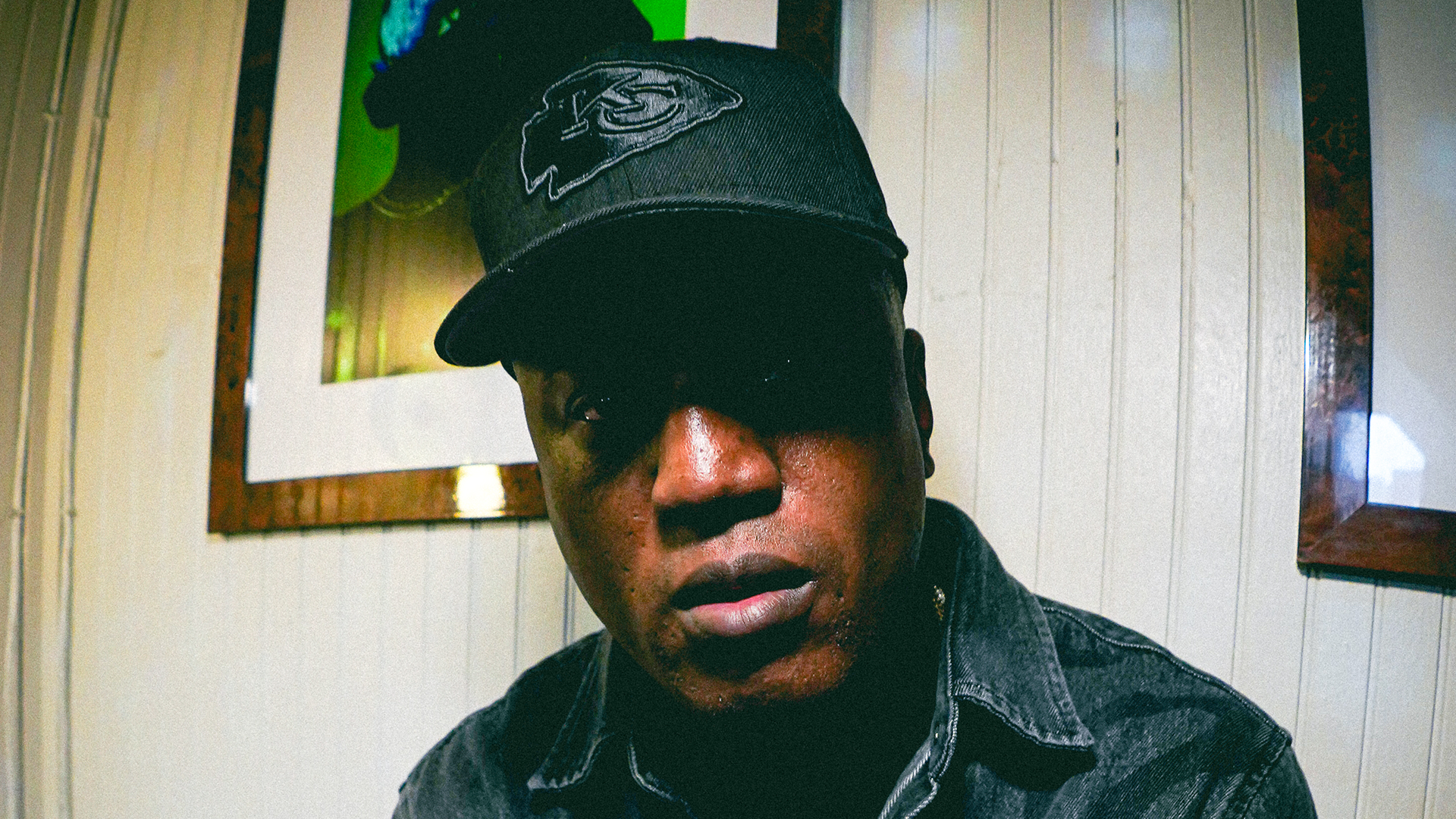
The Grammys are a big, bright, loud moment. Cameras, speeches, wild outfits, and a room the whole industry is watching. For most of us in Kansas City, that night happens far away on a screen. But every year, there are people in that room who started in spaces that look and feel a lot like ours.
Last night, one of those names was ours. Denzel “Conductor” Williams heard his name called as a Grammy winner. A Kansas City kid. A producer whose ear was sharpened in the same kinds of rooms many of us still play and work in every week. When he stepped into that space, a piece of this city stepped in with him.
This is a celebration of him, and of what his path says about the kind of music city we’re building.
From D/Will to Conductor in a Midtown playground
Before the world knew him as Conductor Williams, a lot of us here knew him as D/Will. A Kansas City kid. A beatmaker. Quiet, locked in, hearing something different than the rest of the room. We came up orbiting the same scene.
For him, Midtown was a musical playground: nights at recordBar, Riot Room, miniBar. Rooms that smelled like spilled beer and old PA foam, with bills that paired him with artists like Les Izmore, where the stage was small but the ideas were not.
The same dirty, grimy Midtown we love now has a streetcar running through it, but back then it was still mostly cracked sidewalks and flyers on light poles. That is where he was sharpening the ears that would eventually carry him into much bigger rooms.
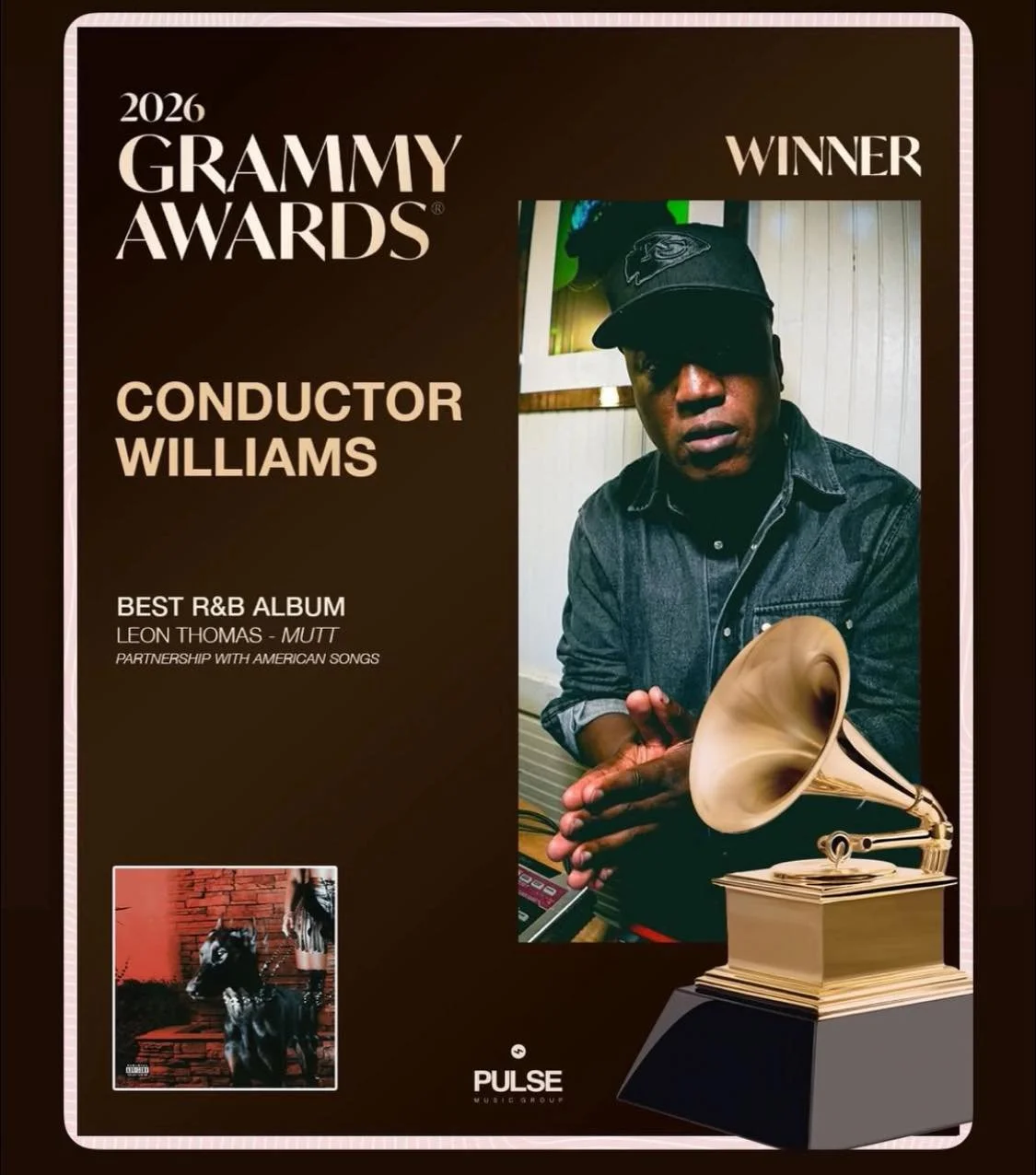
Over time, D/Will became Conductor Williams. The producer tag you start to notice in the credits if you are paying attention. You hear him in work with artists like Westside Gunn and the Griselda camp. You see him in rooms that reach all the way up to Drake’s world. You catch him connecting with next‑generation voices like WYNNE. None of that erases where he is from. It just shows how far that sound can travel.
Leaving a twenty‑year career to bet on beats
Another part of this story lives outside the club flyers and liner notes. Conductor walked away from a twenty‑year career in another field to make beats full time.
That is not a romantic pivot; it is a real one. It lands in your body, your bills, your relationships, and your sense of who you are. It means looking at a calendar that used to be full of shifts and meetings and deciding to rebuild it around studio time, flights, late‑night sessions, and creative risk.
He did not “make it” because Kansas City suddenly turned into a major‑label campus. He did it by betting on himself, carrying the ear he built in this ecosystem into a wider world and trusting that it belonged there. That leap is not about the city taking credit for his success. It is proof that a musician who comes up in our mix of churches, clubs, and DIY rooms can still decide to go all in and find a lane that reaches all the way to the Grammys.
For those of us working to grow a real music economy here, that decision matters. It shows why we fight for better rooms, fairer deals, smarter strategy, and more chances for musicians to treat this as a career instead of a side quest. When someone who has done twenty years in another field still chooses to bet on their beats, it tells you the stakes and the possibility at the same time.
What it means to have a Conductor in the room
For a lot of people in Kansas City, the Grammys still feel far away. Hollywood. Red carpet. Cameras. When you see Conductor’s name show up on that stage and in those credits, the distance between those rooms and our rooms gets smaller.
He did not come out of some mythical “music city” where the industry waits at the end of the block. He came out of our mix of church musicians, marching bands, jazz heads, rappers, and DJs. Out of Midtown clubs that do not exist anymore. Out of sessions where the budget was basically time and belief.
So when somebody like that wins a Grammy, it is not just a win for one person. It is proof of concept for the whole ecosystem that shaped them. It says something simple but powerful: the ears trained in Kansas City can hang with anybody. Beats that start in small KC studios can make it all the way to the biggest rooms. Our stories and our sound travel further than our press releases.
When Conductor is in that Grammy space as a winner, a piece of Kansas City is in there with him.
How Kansas City shows up for its music giants
So what do we do with a win like this? We celebrate.
We say the names out loud while people are still here to hear them. We tell the story behind the credits: how a kid from our city moved from those Midtown stages to one of the biggest rooms in music without losing his ear or his identity. We turn up the volume when his tag hits, not out of surprise, but out of recognition: that is one of ours.
We carry that pride back into our own spaces. We play the records at home, in the car, and inside our rooms at Vine Street. We put people on. We make sure the next generation of Kansas City musicians can see a line from their church, their classroom, their corner of the scene to rooms like that Grammy stage.
Celebrating Conductor is also a way of celebrating the city that raised him. The bands, venues, mentors, and peers that sharpened his sound. The rooms that gave him a place to experiment. The people who booked him, built with him, and believed in him before anybody outside the city knew his name.
When one of our own wins at that level, it is a reminder that Kansas City is not just watching the story of music happen. We are writing it.
We’ll be featuring Conductor Williams’ catalog throughout the week at Vine Street.
Cheers to Conductor Williams! 🍻